Short Sessions
3-5 minute sequences suitable for brief breaks between tasks.
Structured sessions for office environments
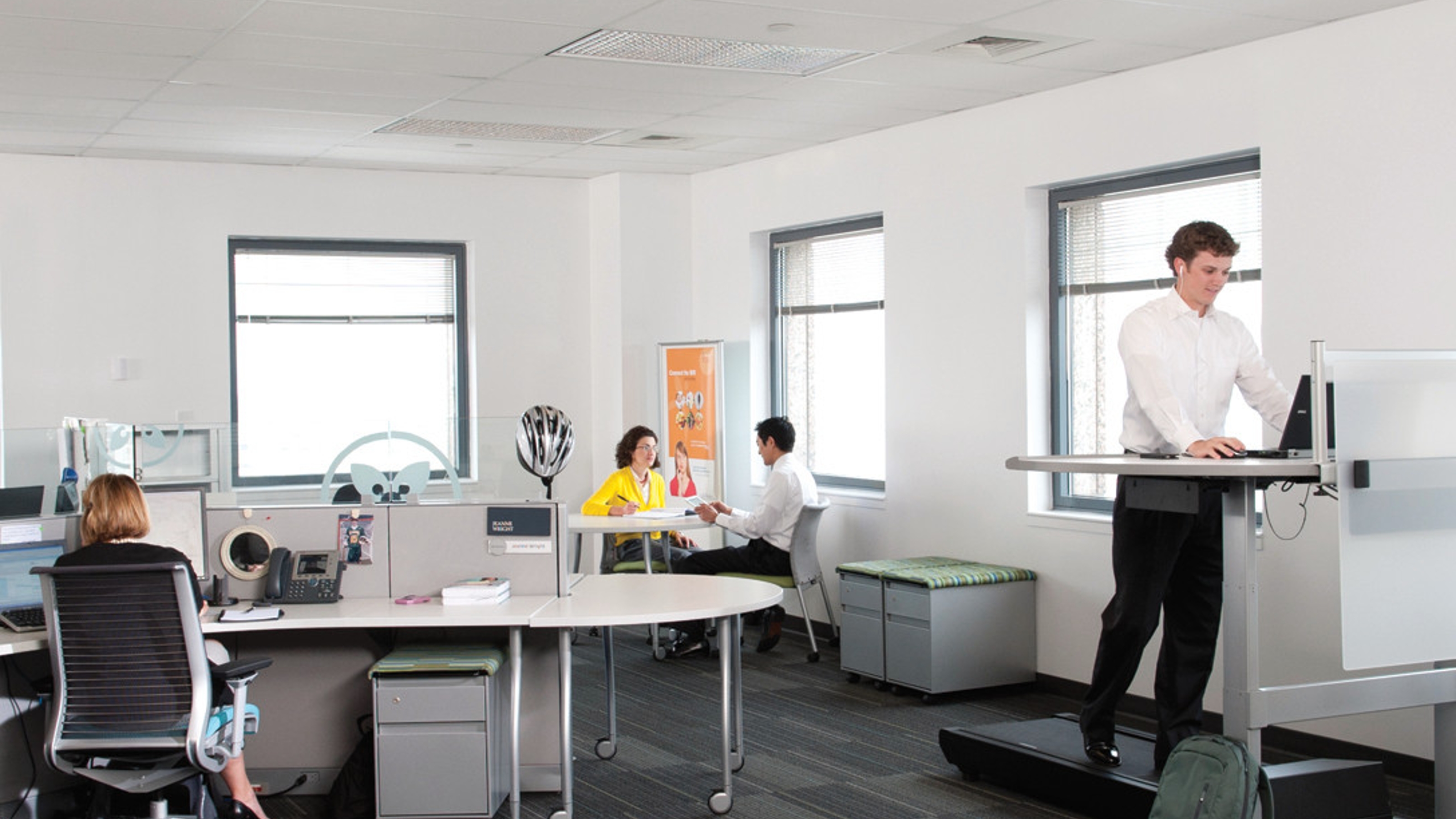
3-5 minute sequences suitable for brief breaks between tasks.
8-10 minute routines appropriate for mid-morning or afternoon breaks.
12-15 minute sessions suitable for lunch breaks or team activities.
These routines can be performed at or near workstations. Movements focus on upper body mobility and posture variation.
Typical sequences include neck rotations, shoulder movements, seated twists, and wrist mobility exercises. Each movement is performed for brief periods with several repetitions.
For workstations with height adjustment options or open floor space, these routines incorporate standing positions. Movements emphasize lower body engagement.
Sequences may include calf movements, gentle knee bends, hip rotations, and weight shifting exercises.
Team-based sessions offer opportunities for shared workplace activities. These formats work in conference rooms, common areas, or outdoor spaces when available.
Group routines follow simple structures that accommodate varying fitness levels. Participants can modify movements based on personal comfort while engaging with the group activity.
Common formats include circle arrangements for visibility, partner-based activities, and synchronized sequences. Sessions typically begin with a brief introduction and conclude with a closing moment.
Brief routines after arriving at work or mid-morning breaks around 10:00-10:30 provide natural pause points.
Post-lunch sessions around 13:30-14:00 or mid-afternoon breaks around 15:30-16:00 offer additional opportunities for movement.
Organizations may choose scheduled group sessions at set times or encourage individual breaks as needed, depending on workplace structure.
Most routines require minimal space and adapt to various office layouts. Individual desk-based movements need only the immediate workstation area, while standing sequences benefit from approximately 1-2 square meters of clear space.
Group activities typically require enough room for participants to extend arms comfortably, though exact spacing depends on group size and chosen movements. Conference rooms, break areas, and outdoor spaces all serve as suitable locations.
For offices with limited space, routines can be staggered so different teams participate at different times, or movements can be selected specifically for compact environments.